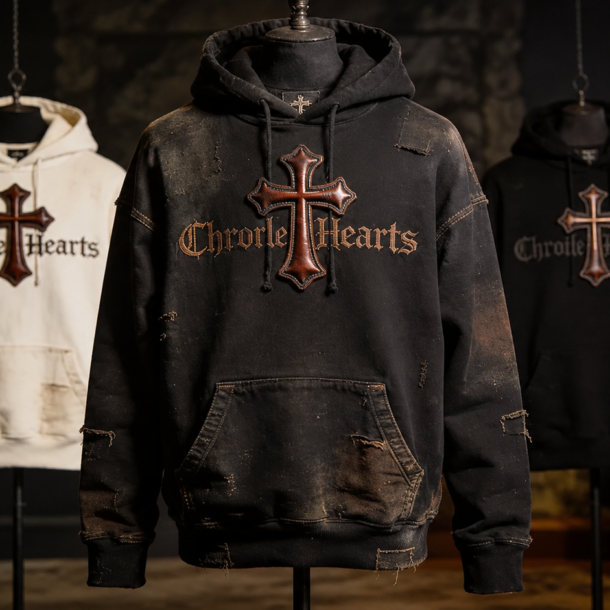
Finding the right clothing manufacturer is an important step for fashion brands operating in the United States. Whether you are launching a new label, expanding an online apparel store, or developing a seasonal collection, your manufacturing partner can affect product quality, costs, production timelines, and brand consistency.
Manufacturer websites make it easier to research potential suppliers before requesting quotes and samples. USA clothing brands can compare custom manufacturing, private label production, cut-and-sew services, printing, embroidery, packaging, and minimum order quantities. For emerging brands, small batch clothing manufacturers can also provide an option for producing limited quantities while testing new designs.
Why USA Clothing Brands Need the Right Manufacturer
Every clothing brand has different production requirements. A startup may need small quantities and flexible customization, while an established brand may require larger production capacity and consistent recurring orders.
Before choosing a supplier, determine your product categories, preferred fabrics, estimated quantities, branding requirements, and target launch dates. This information will help you identify manufacturers that are suitable for your specific needs.
1. USA Custom Clothing Manufacturer Websites
Custom clothing manufacturer websites are a useful starting point for brands that want garments produced according to their own specifications. Services may include fabric sourcing, pattern development, sampling, cut-and-sew production, and finishing.
Review the manufacturer’s portfolio to determine whether it has experience producing garments similar to your collection.
2. Private Label Manufacturer Websites
Private label manufacturers allow brands to sell apparel under their own names and branding. Depending on the supplier, services may include custom labels, hangtags, packaging, and branded garments.
These manufacturers can be useful for fashion entrepreneurs who want to create a consistent identity across their product range.
3. Small Batch Clothing Manufacturer Websites
Small brands often do not need thousands of garments for their first collection. Small batch clothing manufacturers can provide smaller production runs, depending on the supplier and product requirements.
Small-batch production can help brands test new designs, launch limited collections, and manage inventory more carefully. Always confirm the manufacturer’s minimum order quantity because requirements can differ by product, fabric, color, and customization.
4. Cut and Sew Manufacturer Websites
Cut-and-sew manufacturers can produce garments based on specific patterns, measurements, fabrics, and construction requirements.
This approach gives brands more control over the final product compared with simply purchasing ready-made garments and adding branding. Review previous work and ask about sample development before starting production.
5. Sustainable Clothing Manufacturer Websites
Sustainability is an important consideration for many modern fashion businesses. Some manufacturers offer organic cotton, recycled materials, and other preferred fabric options.
When researching sustainable suppliers, look for specific information about materials, sourcing, certifications, and production practices. Ask for documentation when appropriate if your brand intends to make sustainability claims.
6. Sportswear Manufacturer Websites
USA brands entering the activewear market should consider manufacturers with experience producing performance apparel. Products can include leggings, sports jerseys, gym clothing, cycling apparel, tracksuits, and other athletic garments.
Check whether the manufacturer offers suitable performance fabrics, specialized stitching, sublimation printing, embroidery, and other services required for your products.
7. Printing and Embroidery Manufacturer Websites
Custom decoration is an important part of apparel branding. Many clothing manufacturers provide screen printing, embroidery, sublimation, heat transfer, and other customization services.
The appropriate method depends on the garment material, design, number of colors, placement, and desired durability. Requesting samples can help you evaluate the finished result before ordering in bulk.
8. Full-Service Apparel Manufacturer Websites
Full-service manufacturers can support multiple stages of clothing development. Depending on the company, services may include tech packs, pattern creation, fabric sourcing, sampling, production, labels, packaging, and shipping.
For growing USA brands, working with a manufacturer that can provide several services may simplify communication and production management.
9. Low MOQ Manufacturer Websites
Minimum order quantity is especially relevant to startups and independent fashion brands. Low MOQ suppliers can allow businesses to produce smaller quantities before committing to larger orders.
However, lower quantities can sometimes result in higher per-unit costs. Ask for a complete quotation and compare pricing at different order volumes.
10. Clothing Manufacturer Directory Websites
Online directories can help brands discover manufacturers by location, product type, manufacturing process, and order quantity.
Directories are useful for creating an initial list, but businesses should verify each supplier independently. Visit the manufacturer’s own website, request samples, confirm capabilities, and communicate directly with the production team.
How to Choose a Manufacturer
Once you have identified several potential suppliers, compare them according to your requirements. Product quality should be one of the first considerations. Request samples and inspect fabric, stitching, measurements, construction, printing, and finishing.
Next, evaluate MOQ and pricing. Make sure you understand whether labels, packaging, sampling, shipping, and other services are included in the quoted price.
Production timelines should also be discussed before placing an order. Ask how long sample development and bulk manufacturing will take and allow additional time for revisions and shipping.
Finally, consider communication and scalability. A manufacturer that can clearly understand your requirements and potentially handle larger orders as your brand grows may be more practical for long-term production.
Final Thoughts
USA clothing brands have many options when researching custom apparel manufacturing websites. Custom manufacturers, private label suppliers, cut-and-sew specialists, sustainable producers, sportswear manufacturers, and full-service companies can all serve different business needs.
For startups and independent brands, small batch clothing manufacturers can be particularly relevant when testing new products or launching limited collections. However, MOQ should be evaluated alongside quality, pricing, customization, production capacity, and lead times.
Take time to compare several suppliers, request samples, clarify production requirements, and document your specifications. Thorough research can help USA clothing brands establish a dependable manufacturing process and develop products that meet their customers’ expectations.