Post-Surgery Transportation King County for a Safe and Comfortable Recovery
October 29, 2026
Understanding Transportation Needs After Surgery
Recovering after surgery requires proper rest, careful planning, and support with everyday activities that may become difficult during the healing process. Patients can experience tiredness, discomfort, limited movement, or temporary restrictions that make traveling more challenging than usual. Even a short journey from a hospital or surgical center may require additional preparation, particularly when a patient has difficulty walking, standing, or getting into a vehicle. Understanding these needs before the procedure helps patients and their families prepare for a more comfortable return home without unnecessary stress or last-minute confusion.
Why Planning Transportation Before Surgery Matters
Post-surgery transportation King County is an important part of preparing for a medical procedure because patients need a suitable way to travel home after receiving treatment. Arranging transportation ahead of time helps families avoid searching for a ride when the patient is tired, uncomfortable, or experiencing the effects of anesthesia. Patients should discuss their travel requirements with their healthcare team, confirm pickup arrangements, and determine whether an adult escort or accessible vehicle is necessary. Planning these details early allows patients to concentrate on their recovery while ensuring their transportation arrangements match the instructions provided by the medical facility.
Choosing a Suitable Transportation Option
Selecting the right transportation option depends on the type of surgery, the patient’s mobility, the distance to their destination, and any instructions provided by their healthcare professionals. Some patients may be able to travel in a regular passenger vehicle with an approved adult escort, while others may require wheelchair-accessible transportation or additional assistance getting into and out of the vehicle. Patients recovering from knee, hip, back, or abdominal procedures may experience particular difficulty with bending, lifting, or maintaining a comfortable sitting position. Considering these factors beforehand helps patients choose an option that supports their needs rather than relying on assumptions about what will be suitable.
Preparing for Hospital Discharge
Hospital discharge involves several responsibilities that should be organized before the patient leaves the medical facility. Patients may need to review medication instructions, understand wound care recommendations, collect their belongings, and confirm the timing of upcoming appointments. Coordinating transportation with the expected discharge arrangements can make this process easier for patients, caregivers, and hospital staff. Since discharge times can change depending on recovery progress and medical assessments, patients should maintain communication with their transportation provider and explain any updates as soon as possible to reduce unnecessary waiting or scheduling difficulties.
Supporting Patients With Limited Mobility
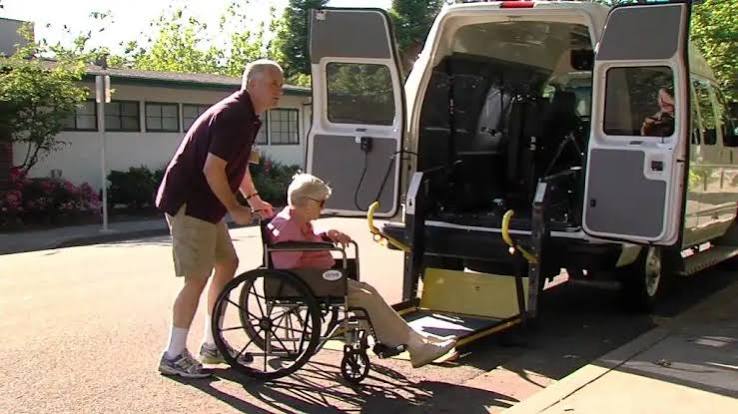
Limited mobility can make ordinary transportation more challenging following surgery, particularly for patients who need assistance standing, walking, or transferring between a wheelchair and a vehicle seat. A patient who normally manages daily activities independently may temporarily require additional support because of pain, weakness, swelling, or movement restrictions. When arranging post-surgery transportation King County, patients should explain their mobility needs clearly and confirm whether the available vehicle can accommodate their wheelchair, walker, cane, or other equipment. Discussing these details beforehand helps establish realistic expectations and allows the transportation provider to confirm whether the requested journey can be accommodated appropriately.
Making the Journey More Comfortable
Comfort should remain an important consideration when planning travel after surgery because patients may feel sore, tired, or sensitive to movement during the early stages of recovery. Getting into a vehicle too quickly, sitting in an uncomfortable position, or traveling without considering movement restrictions can make the experience more difficult. Patients should follow their healthcare team’s recommendations about positioning and safe movement while allowing enough time to board and settle comfortably. Sharing relevant information with the transportation provider before the journey can also help everyone prepare for the trip and avoid unnecessary rushing during pickup and arrival.
Organizing Transportation for Follow-Up Visits
Many surgical procedures require follow-up appointments so healthcare professionals can monitor healing, evaluate progress, and provide additional instructions when necessary. Patients may need transportation to a surgeon’s office, rehabilitation facility, physical therapy appointment, or another medical location during their recovery. Because driving may not be appropriate immediately after surgery, arranging future rides early can help patients avoid missed appointments and unnecessary inconvenience. Keeping appointment dates, pickup times, destinations, and contact details organized makes it easier for patients and caregivers to coordinate transportation while continuing to follow the recommended recovery plan.
Understanding Wheelchair-Accessible Transportation
Wheelchair-accessible transportation may be necessary for patients who cannot safely enter a standard vehicle or who need to remain in their wheelchair during travel. However, accessibility features differ between vehicles, so patients should confirm that the available transportation can accommodate their specific wheelchair or mobility equipment. They should also explain whether they require assistance with boarding, leaving the vehicle, or managing equipment during the journey. Asking these questions before booking helps prevent unsuitable arrangements and gives patients a clearer understanding of what assistance is available for their planned trip.
Helping Family Members Prepare
Family members and caregivers can play an important role in helping patients organize transportation, understand discharge instructions, and prepare for the first days at home. They may coordinate pickup times, collect belongings, arrange meals, or make sure the patient has access to important contact information. However, relatives may have work commitments, childcare responsibilities, or other obligations that limit their availability. Discussing transportation arrangements before surgery gives families more time to organize their schedules and identify suitable alternatives if their preferred support person cannot be present when the patient is ready to leave the medical facility.
Considering Transportation Costs
Transportation costs can vary depending on the distance traveled, the type of vehicle required, accessibility needs, waiting time, and any additional assistance requested. Patients should ask about pricing and payment arrangements before confirming a booking so they can make an informed decision. They may also want to contact their insurance provider or relevant assistance program to determine whether any transportation benefits are available for their circumstances. Since coverage requirements differ, patients should verify eligibility directly rather than assuming that every post-surgical journey will be covered under their existing plan.
Planning Travel Across King County
King County includes communities with different travel distances, traffic conditions, and access routes to hospitals, clinics, and residential areas. Patients traveling from Seattle, Bellevue, Renton, Kent, or Federal Way may need to consider pickup locations, appointment schedules, and the time required to reach their destinations. When booking post-surgery transportation King County, providing accurate addresses and explaining any mobility concerns helps the transportation provider understand the requirements of the journey. Patients should also consider whether their home has stairs, a long walkway, or other obstacles that could make arrival more challenging during the initial recovery period.
Avoiding Common Transportation Mistakes
One common mistake is waiting until the day of discharge to arrange a ride, especially when the patient requires a specific vehicle or additional assistance. Another is assuming that every transportation provider offers wheelchair access, door-to-door assistance, or an escort service. Patients should confirm available services before booking and communicate any special requirements clearly. It is also helpful to plan return transportation for follow-up appointments rather than arranging only the initial trip home. Reviewing booking details and keeping contact information available can reduce confusion if discharge times or appointment schedules change unexpectedly.
Following Medical Instructions After Anesthesia
Anesthesia and certain medications can affect alertness, coordination, judgment, and reaction time after a procedure. Patients should therefore follow the instructions provided by their surgeon and discharge team instead of assuming they can drive themselves home. Depending on the procedure and medication used, the medical facility may require a responsible adult to accompany the patient or remain available after discharge. Patients should ask their healthcare professionals which transportation arrangements are appropriate for their specific situation and ensure that any required escort or supervision is organized before the day of surgery.
Supporting Older Adults After Surgery
Older adults may need additional transportation planning after surgery, particularly if they already experience difficulties with balance, walking, or completing everyday activities. Temporary weakness, discomfort, and fatigue can make vehicle transfers more challenging, even for someone who normally remains independent. Families should discuss the patient’s mobility requirements with the healthcare team and confirm whether the chosen transportation option can accommodate those needs. Preparing assistance for arrival is equally important because the patient may need help reaching a resting area, accessing essential belongings, or managing basic activities during the first part of recovery.
Making Arrangements When Living Alone
Patients who live alone should discuss their recovery plans with their healthcare team before undergoing surgery. Depending on the procedure and the effects of anesthesia, they may need a responsible adult to accompany them, provide supervision, or assist with daily activities after discharge. Booking a ride does not automatically satisfy these requirements, so patients should confirm exactly what the medical facility expects. Planning ahead provides time to arrange appropriate support, prepare the home, and identify someone who can help if unexpected difficulties arise during the early recovery period.
Keeping Transportation Information Organized
Keeping transportation details in one accessible place can make recovery planning easier for patients and caregivers. Important information may include booking confirmations, provider contact numbers, pickup locations, destination addresses, appointment times, and accessibility arrangements. Patients attending several follow-up visits can use a calendar to track each appointment and confirm transportation in advance. If a caregiver is coordinating the journey, sharing relevant details with the patient and other family members can help everyone understand the plan and communicate any changes promptly without creating unnecessary confusion.
Preparing the Home Before Arrival
Preparing the home before surgery can make the transition from the medical facility more manageable. Patients and caregivers may clear walkways, arrange a comfortable resting area, place frequently used items within easy reach, and consider any stairs or entrance difficulties that could affect movement. These preparations can be particularly useful when the patient has been advised to limit walking, lifting, or bending. Patients should follow their healthcare team’s recommendations about movement and avoid activities that could interfere with healing. Arranging appropriate help before arriving home also reduces the pressure to complete household tasks while recovering.
Choosing a Reliable Transportation Provider
Before selecting a transportation provider, patients should ask about service availability, accessibility features, scheduling procedures, cancellation policies, and the type of assistance offered. Explaining the patient’s condition and mobility requirements helps determine whether the service is suitable for the planned trip. Patients should also understand the difference between non-emergency transportation and transportation that requires medical personnel or monitoring. If a healthcare professional recommends specialized medical support during travel, patients should confirm the appropriate arrangement instead of assuming that a standard ride will meet their needs.
Planning for Changes in the Discharge Schedule
Surgery and recovery do not always follow an exact timetable, and patients may be discharged earlier or later than initially expected. Medical staff may need additional time to assess the patient, review instructions, or determine whether further observation is necessary. Keeping communication open with the transportation provider can help patients manage these changes when scheduling policies allow. Patients should confirm how delays are handled and make sure they have the correct contact information available. Remaining flexible while following medical instructions helps reduce avoidable stress during the discharge process.
Arranging Transportation for Rehabilitation
Some patients require rehabilitation or physical therapy after surgery to help restore movement, strength, and everyday function. Attending these appointments may be difficult when walking is limited or when the patient is not yet cleared to drive. Planning rides around therapy schedules can make it easier to attend recommended sessions consistently. Patients should communicate their mobility needs and confirm pickup arrangements for both the outward and return journeys. If treatment schedules change or additional assistance becomes necessary, updating the transportation provider helps keep the arrangements aligned with the patient’s current needs.
Maintaining Communication With Healthcare Professionals
Clear communication with healthcare professionals is essential when planning travel after surgery. Patients should ask about driving restrictions, escort requirements, movement limitations, and any symptoms that could make travel inappropriate. If the patient has concerns about sitting for an extended period or getting into a vehicle, these questions should be discussed before discharge. Transportation providers can explain the services they offer, but medical decisions should remain with qualified healthcare professionals. Sharing accurate information between the patient, caregiver, and provider helps ensure that transportation arrangements reflect the recommendations given by the medical team.
Reducing Stress During Recovery
Having transportation organized before surgery can remove one practical concern from an already demanding experience. Patients can focus on resting, following discharge instructions, and attending necessary medical appointments instead of searching for a ride at short notice. Caregivers also benefit from knowing when the patient is expected to leave, where the journey will begin, and what support may be required upon arrival. Although schedules can change, confirming the important details and keeping communication open makes it easier to respond to unexpected adjustments without losing sight of the patient’s comfort and recovery needs.
Planning Ahead for a Better Recovery Experience
A thoughtful transportation plan considers more than the distance between a hospital and a patient’s home. It also takes account of mobility, accessibility, scheduling, escort requirements, cost, and the support available after arrival. Patients should confirm their arrangements before surgery and review them again when discharge instructions become available. Post-surgery transportation King County can be part of this planning process when patients need help coordinating suitable travel after a medical procedure. Choosing an appropriate service and explaining requirements clearly can make the journey easier to organize.
Arranging Transportation With Confidence
Every patient’s circumstances are different, so transportation arrangements should be based on the procedure, the patient’s current condition, and the instructions provided by their healthcare team. Confirming pickup details, preparing mobility equipment, arranging any required escort, and organizing help at home can make the return journey more manageable. Patients should also plan for follow-up visits and keep important contact information accessible throughout recovery. Care Bridge Medical Transports can be contacted to discuss transportation availability and individual travel requirements across King County and nearby communities, helping patients and families explore suitable non-emergency transportation options.