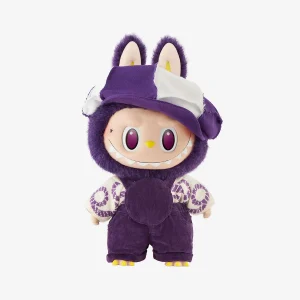
The world of collectible toys has experienced a remarkable transformation, and one of the most fascinating examples is the extraordinary success of Labubu and Pop Mart. What began as a distinctive character in an imaginative artistic universe eventually developed into a worldwide phenomenon, attracting collectors, fashion enthusiasts, celebrities, and social media audiences. Labubu is known for its pointed ears, mischievous smile, expressive eyes, and slightly wild appearance, which make it different from traditional cute characters. Its unusual combination of sweetness and playful mischief gives it a personality that people can recognize instantly. Pop Mart helped bring this character to a much wider audience by turning collectible figures into an engaging shopping experience built around surprise, creativity, and emotional connection. The success of Labubu demonstrates that modern consumers are not always searching for ordinary products; they also want stories, memorable designs, and experiences they can share with others. Through clever product presentation, collectible culture, and strong visual appeal, Labubu became an example of how an artistic character can develop into an international cultural trend.
The Origins of Labubu and Its Creative Identity
To understand Labubu success, it is important to look at the character’s artistic origins. Labubu was created by artist Kasing Lung, whose imaginative work draws inspiration from fantasy, folklore, and illustrated storytelling. The character belongs to the wider imaginative world associated with The Monsters, a collection of figures that combines playful appearances with unusual personalities. Unlike conventional characters designed to look perfectly polished or traditionally beautiful, Labubu has an appearance that feels slightly unpredictable. Its pointed ears, toothy grin, and expressive face create a memorable balance between adorable and mischievous. This distinctive identity gives collectors something different from the familiar designs found in many mainstream toys. Labubu’s appeal also comes from the idea that a character can feel imperfect and still be charming. Its design leaves room for imagination, allowing different people to interpret its expression and personality in their own ways. That artistic individuality provided a strong foundation for the character’s later commercial growth.
How Pop Mart Turned Labubu into a Collectible Sensation
Pop Mart played a central role in expanding Labubu’s reach by connecting creative character design with a recognizable collectible business model. The company specializes in designer toys and has helped popularize products that appeal to consumers who enjoy art, character collecting, and the excitement of discovering new designs. Rather than presenting every figure as an isolated toy, Pop Mart builds collections around characters, themes, variations, and carefully designed packaging. This approach encourages customers to explore the wider creative universe behind each product. Labubu benefited from this system because its distinctive appearance works well across different figure designs and collectible releases. The company also made collectible toys appealing to adult consumers, moving them beyond the traditional perception of toys as products intended mainly for children. For many buyers, these figures represent decorative objects, personal interests, gifts, or small pieces of artistic expression. By combining character development with an organized retail experience, Pop Mart helped transform Labubu from a recognizable design into a product with broad commercial and cultural appeal.
The Mystery and Excitement of Blind Boxes
One of the important factors behind Pop Mart’s collectible business is the blind-box format. In this model, customers purchase a sealed package without knowing exactly which design they will receive from the relevant collection. The uncertainty creates anticipation and adds an element of discovery to the shopping experience. For Labubu collectors, opening a box can feel like a small event, especially when a collection contains multiple designs or a particularly uncommon figure. This format also encourages people to compare their discoveries, exchange duplicates, and discuss their favourite designs with other collectors. However, the appeal of blind boxes extends beyond the possibility of finding a rare item. The packaging, presentation, and moment of discovery all contribute to the overall experience. At the same time, the format can encourage repeated purchases, so collectors benefit from setting spending limits and remembering that a specific figure is never guaranteed unless the product terms explicitly say otherwise. When handled thoughtfully, the surprise element can make collecting entertaining without turning it into unnecessary spending.
Social Media and the Viral Popularity of Labubu
Social media played a major role in bringing Labubu to international attention. Platforms such as TikTok, Instagram, and YouTube allow collectors to share unboxing videos, display their collections, compare different designs, and introduce the character to people who may never have encountered it in a physical store. Labubu is particularly suitable for visual platforms because its recognizable face and varied designs are easy to photograph and display. Short videos can capture the excitement of opening a package, while styling posts show how the figures can become accessories or decorative elements in everyday life. As more users began sharing their experiences, the character gained visibility beyond its original audience. This created a cycle in which online attention encouraged curiosity, new purchases generated additional content, and that content introduced Labubu to even more potential fans. Social media did not create the character’s artistic identity, but it helped distribute that identity at remarkable speed. The result illustrates how modern trends can grow through a combination of appealing design, user participation, and highly shareable experiences.
Celebrity Influence and the Fashion Connection
Celebrity visibility also contributed to Labubu’s growing popularity, particularly when the character began appearing in fashion-related content and personal accessory collections. International attention increased as celebrities and influencers were seen carrying Labubu plush toys or attaching them to handbags. Lisa of BLACKPINK became one of the high-profile figures associated with the trend, helping expose the character to a large audience of music and fashion fans. Such visibility can influence consumer behaviour because audiences often become curious about the products they see their favourite public figures enjoying. Labubu also fits naturally into contemporary fashion culture, where bags, charms, jewellery, and other accessories are used to communicate personality. A plush character attached to a handbag can make an outfit feel more playful and individual, providing a contrast to traditional luxury styling. Nevertheless, celebrity exposure is only one part of the story. Labubu’s recognizable design, collectible format, and existing fan community gave the trend a foundation that could extend beyond any single public figure.
Why Collectors Feel Emotionally Connected to Labubu
The popularity of Labubu is not explained by marketing alone. Emotional connection is another important part of the character’s appeal. Collectibles often remind people of childhood interests, personal memories, favourite stories, or creative hobbies. A small figure can become meaningful because of the experience associated with acquiring it, the person who gave it as a gift, or the memories created while building a collection. Labubu’s expressive appearance also makes it easy for collectors to assign their own interpretations and feelings to the character. Some people appreciate its playful personality, while others enjoy the artistic details or the opportunity to display different versions together. Collecting can also provide a sense of community, giving people a shared interest through which they can exchange recommendations, discuss new releases, and connect with others. This emotional dimension helps explain why designer toys can become much more significant to their owners than their physical size might suggest. The value of a collectible is often connected to the meaning people attach to it, rather than its function as an ordinary toy.
Scarcity, Demand, and the Collectible Market
Limited releases and sought-after designs can increase excitement within the collectible market. When collectors believe that a particular figure may be difficult to obtain, interest can rise quickly, especially when online discussions amplify its perceived desirability. Rare variants and special editions may attract considerable attention, while popular releases can sell quickly depending on availability and demand. This dynamic can also lead to resale activity, where certain items are offered at prices above their original retail cost. However, high resale prices do not automatically mean that every Labubu figure is a valuable investment. Collectible markets can change rapidly, and trends that attract substantial attention today may lose momentum later. Buyers should be cautious of counterfeit products, misleading listings, and sellers who use artificial urgency to pressure customers into purchasing. Collecting is generally most rewarding when people choose designs they genuinely enjoy rather than buying solely in the hope of making a profit. Understanding this distinction helps keep the experience focused on creativity and enjoyment instead of speculation.
Pop Mart’s Business Strategy and Global Expansion
Pop Mart’s wider success reflects its ability to combine artistic partnerships, character development, retail presentation, and international distribution. Designer toys are not simply manufactured objects; their appeal often depends on the creative worlds and personalities behind them. By collaborating with artists and developing recognizable intellectual properties, Pop Mart has built a business model that encourages customers to follow characters across different collections and product formats. Physical stores, vending-style retail experiences, online shopping, and social media exposure can all help introduce products to new audiences. La bubu has benefited from this broader system because its visual identity can be adapted to different collectible designs while remaining recognizable. International expansion has also allowed the company to reach consumers with varied interests and cultural backgrounds. Nevertheless, sustaining long-term success requires more than a single viral character. Product quality, authenticity, responsible distribution, continued creativity, and customer trust all matter when a brand seeks to maintain its position in a competitive global market.
The Future of Labubu and Designer Toy Culture
The future of Labubu will depend on how successfully its creators and commercial partners continue developing the character while preserving the qualities that made it distinctive. New designs and imaginative collaborations may attract returning collectors, while thoughtful product development can introduce the character to new audiences. At the same time, changing consumer interests create challenges for any trend that grows rapidly. If availability becomes frustrating, prices rise too far, or buyers feel that releases are becoming repetitive, enthusiasm may change. The wider designer-toy industry will also continue evolving as artists experiment with new materials, storytelling techniques, digital communities, and different forms of collectible merchandise. Labubu’s experience offers an important lesson: memorable characters can achieve international recognition when artistic creativity meets an effective way of reaching audiences. However, enduring cultural relevance depends on maintaining genuine interest rather than relying entirely on temporary online excitement.
More:Shop