

Why Bamboo Wall Panels Are Becoming a Top Choice for Sustainable Interiors
May 25, 2026
Modern interior design is rapidly shifting toward sustainability, natural materials, and wellness-focused spaces. Homeowners, architects, and commercial designers are no longer looking only for visual appeal — they also want materials that are durable, eco-friendly, and functional. This growing demand has made the bamboo wall panel one of the most sought-after solutions in contemporary interiors.
From luxury resorts and boutique hotels to modern homes and wellness studios, bamboo panels are transforming spaces with their natural warmth, elegant texture, and sustainable appeal. Their ability to combine aesthetics with long-term performance makes them a preferred choice for both residential and commercial projects.
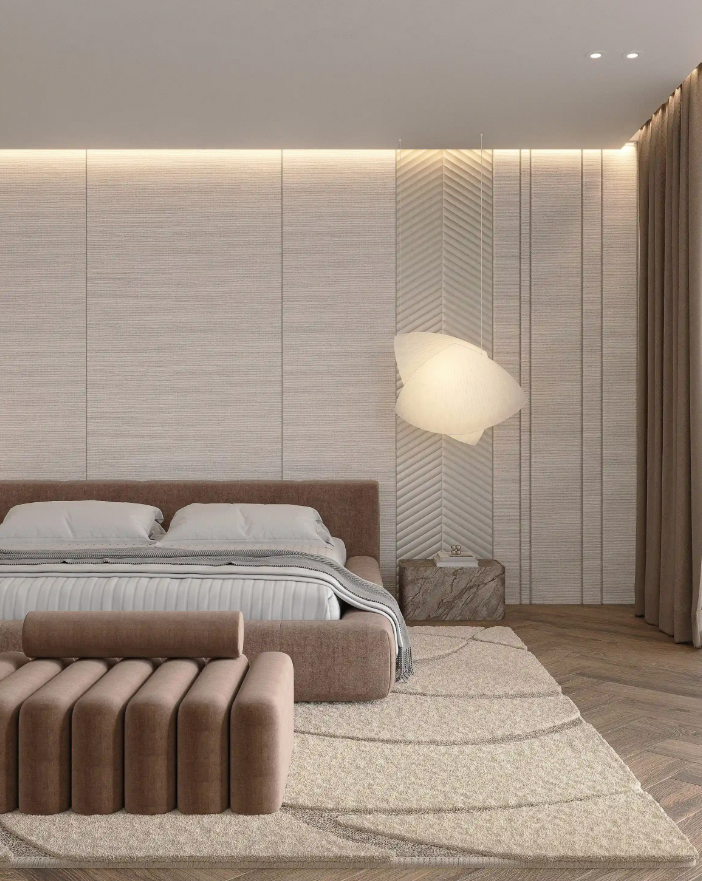
The Growing Demand for Sustainable Interior Materials
Sustainability has become a major factor in modern architecture and interior design. Unlike traditional hardwoods that take decades to mature, bamboo grows rapidly and regenerates naturally, making it a renewable and environmentally responsible material.
A professionally designed bamboo wall panel helps create interiors that feel organic, calming, and connected to nature. This is one of the key reasons why architects increasingly use bamboo in biophilic and eco-conscious design projects.
Key Sustainability Benefits of Bamboo Panels
- Rapidly renewable material
- Lower environmental impact compared to hardwood
- Supports eco-friendly interior design trends
- Ideal for green building projects
- Natural aesthetic with timeless appeal
Moisture Resistance and Long-Term Durability
One of the biggest misconceptions about bamboo is that it lacks durability. In reality, engineered bamboo products are designed to perform exceptionally well in modern interiors. High-quality bamboo panels are often treated to improve moisture resistance, dimensional stability, and long-term performance.
Because of these qualities, bamboo panels are increasingly used in:
- hospitality interiors
- luxury villas
- cafes and restaurants
- wellness centers
- spa environments
- office feature walls
With proper installation and ventilation, a bamboo wall panel can maintain its appearance and durability for many years.
Acoustic Comfort for Modern Spaces
Modern interiors often include hard surfaces such as glass, concrete, and stone, which can create excessive sound reflection. Bamboo surfaces help soften acoustics and improve the overall comfort of a space.
Interior designers frequently recommend bamboo wall systems for areas where a calm and relaxing atmosphere is important, including:
- hotel lounges
- yoga studios
- bedrooms
- reception areas
- coworking spaces
The natural texture of bamboo not only improves visual warmth but also contributes to a more balanced acoustic environment.
Why Hospitality Designers Prefer Bamboo Wall Panels
The hospitality industry has become one of the biggest adopters of bamboo interiors. Luxury resorts and boutique hotels often use bamboo surfaces to create nature-inspired experiences that feel premium yet relaxing.
Many designers combine bamboo panels with:
- soft lighting
- natural stone
- linen fabrics
- indoor plants
- neutral color palettes
This layered approach creates interiors that feel sophisticated, welcoming, and modern.
Maintenance and Expert Recommendations
Another reason for the growing popularity of bamboo is its low-maintenance nature. Most premium bamboo wall systems require only basic cleaning with a soft cloth and occasional dusting.
Design experts generally recommend:
- choosing professionally treated bamboo products
- ensuring proper installation
- avoiding excessive water exposure
- using quality finishes for long-term durability
These simple maintenance practices help preserve the beauty and lifespan of the material.
Conclusion
As sustainable architecture continues to influence modern interior design, the bamboo wall panel is becoming a leading solution for stylish and environmentally conscious spaces. Its combination of sustainability, moisture resistance, acoustic comfort, and natural elegance makes it ideal for both residential and commercial interiors.
Whether used in a luxury resort, contemporary home, or wellness-focused commercial project, bamboo panels offer a timeless design solution that balances aesthetics, performance, and sustainability perfectly.